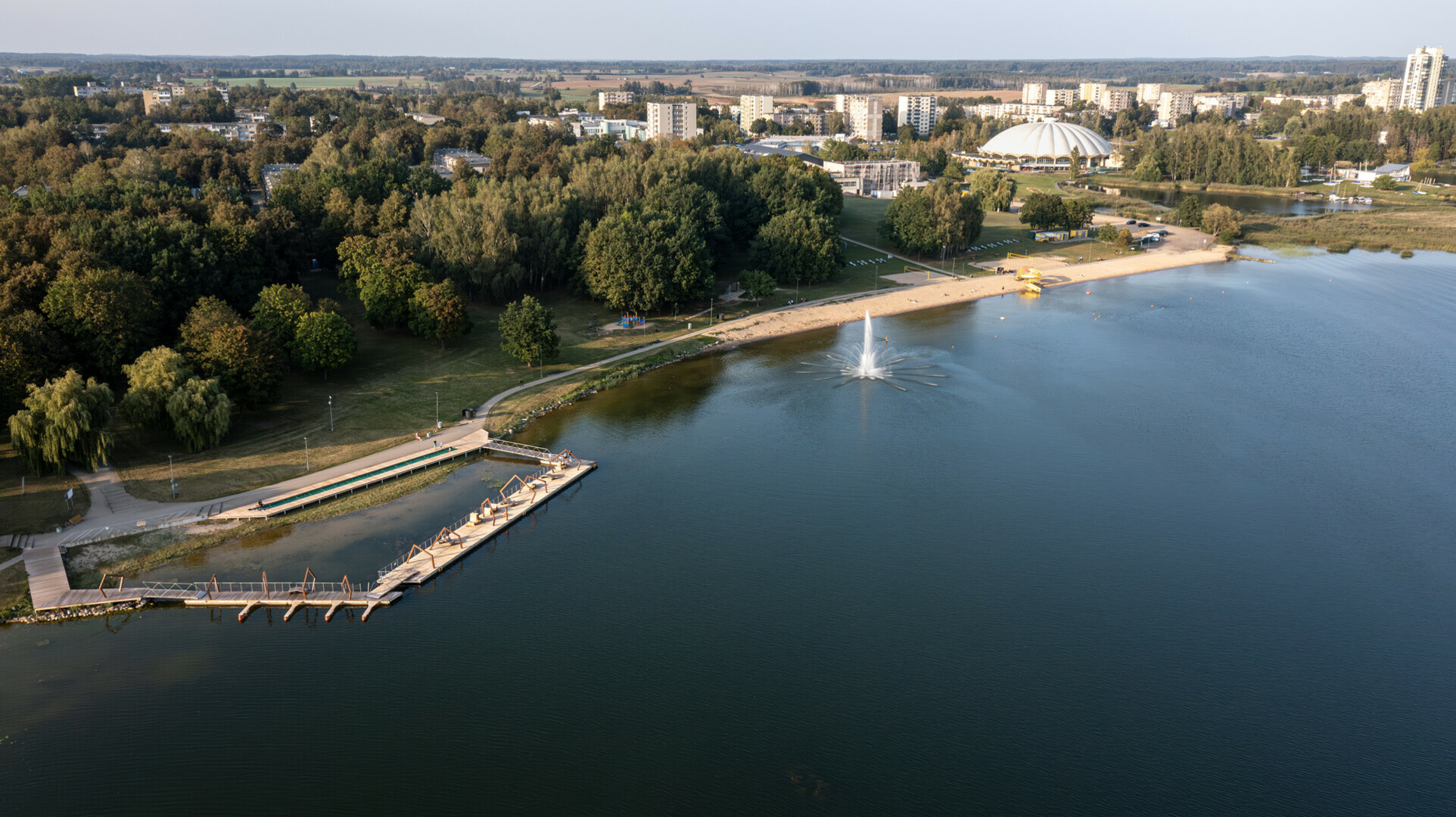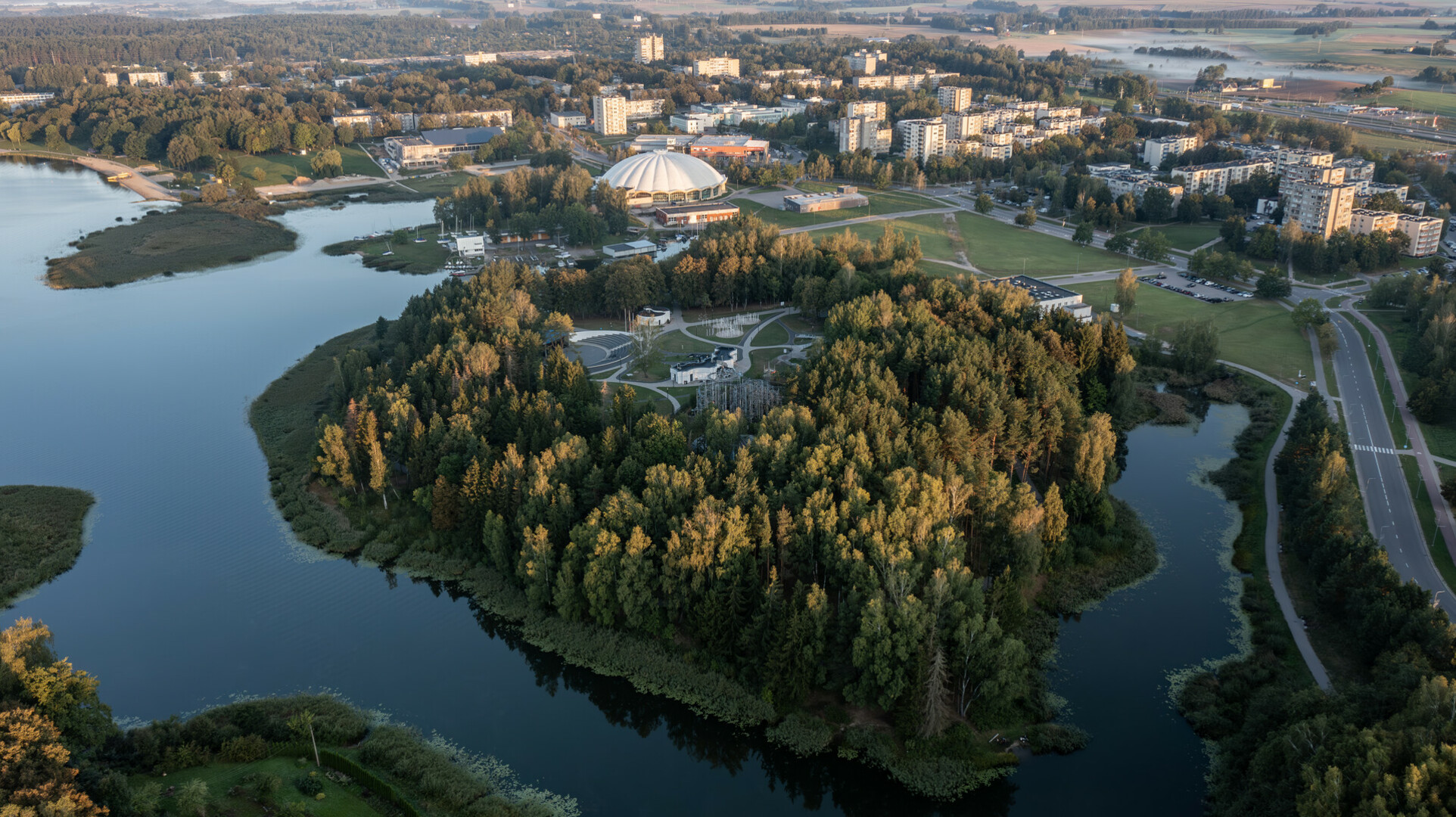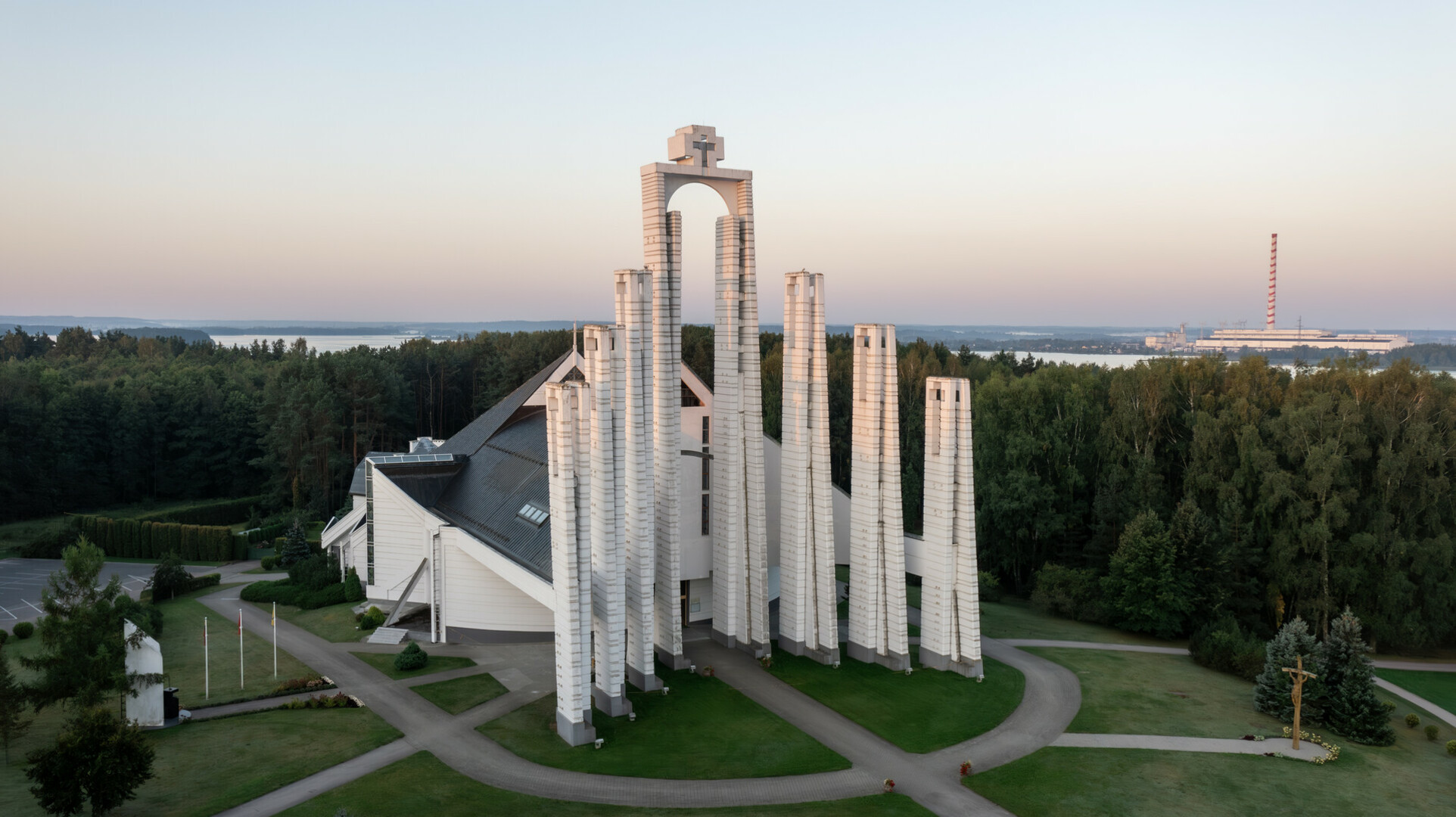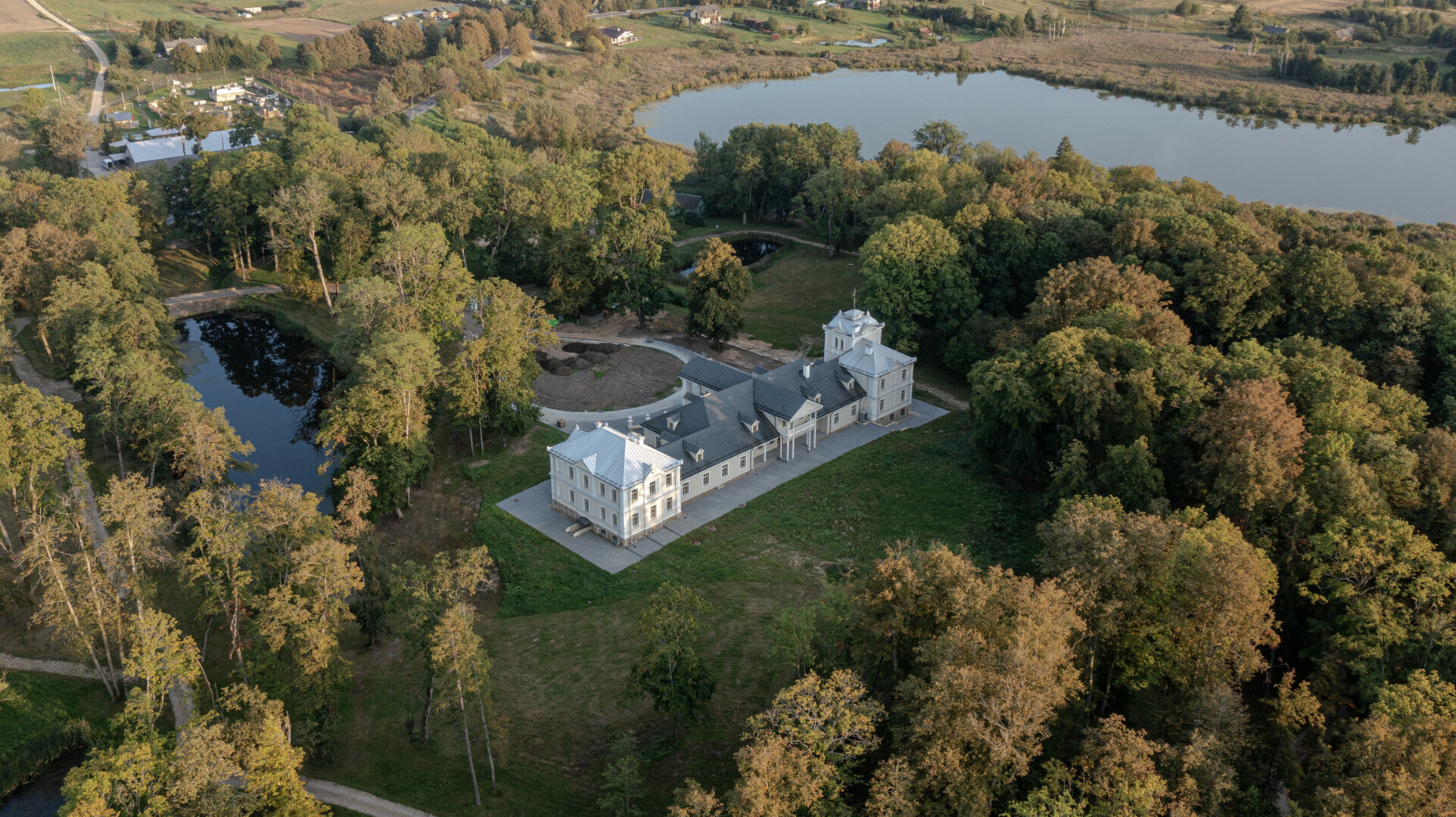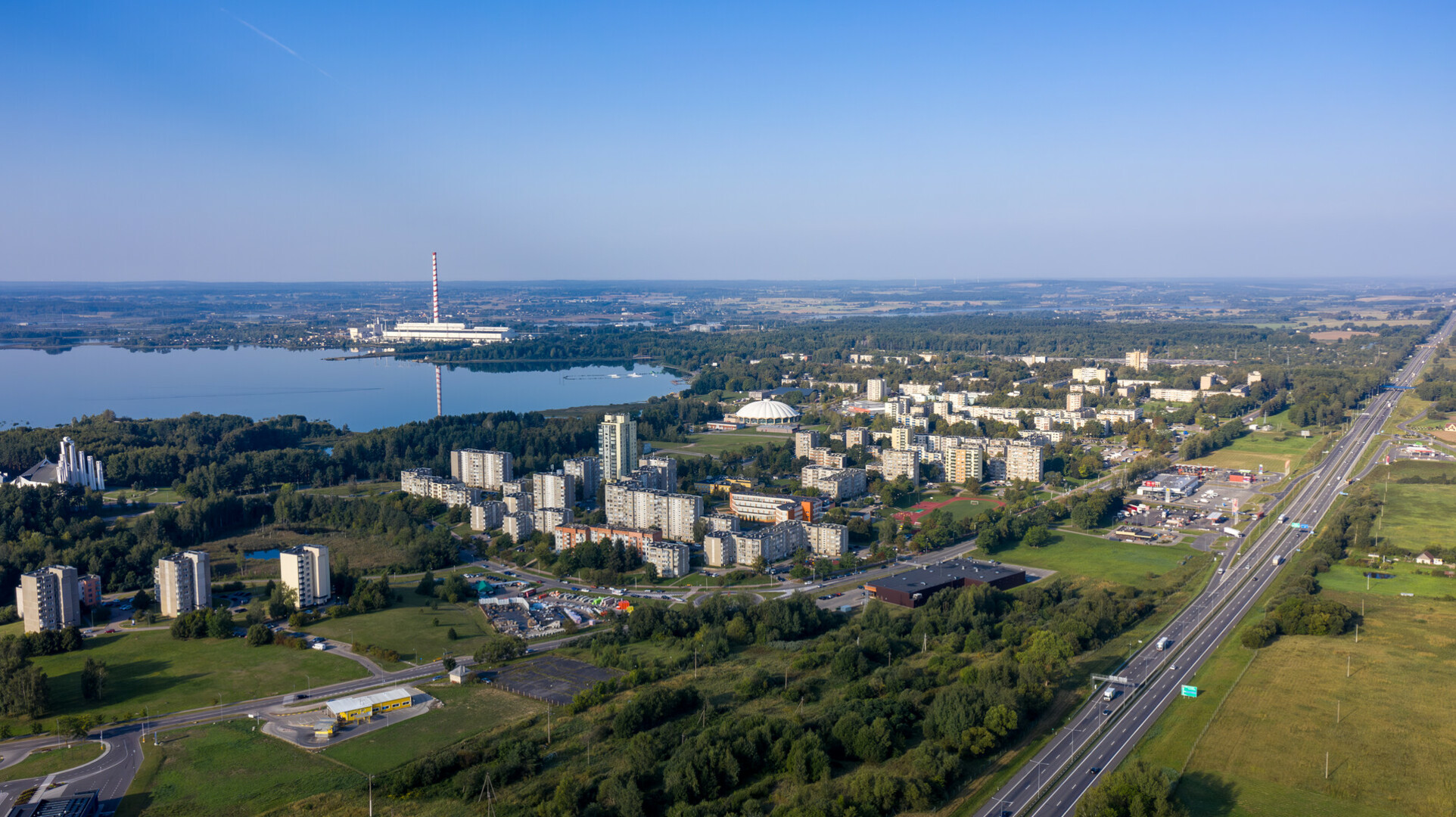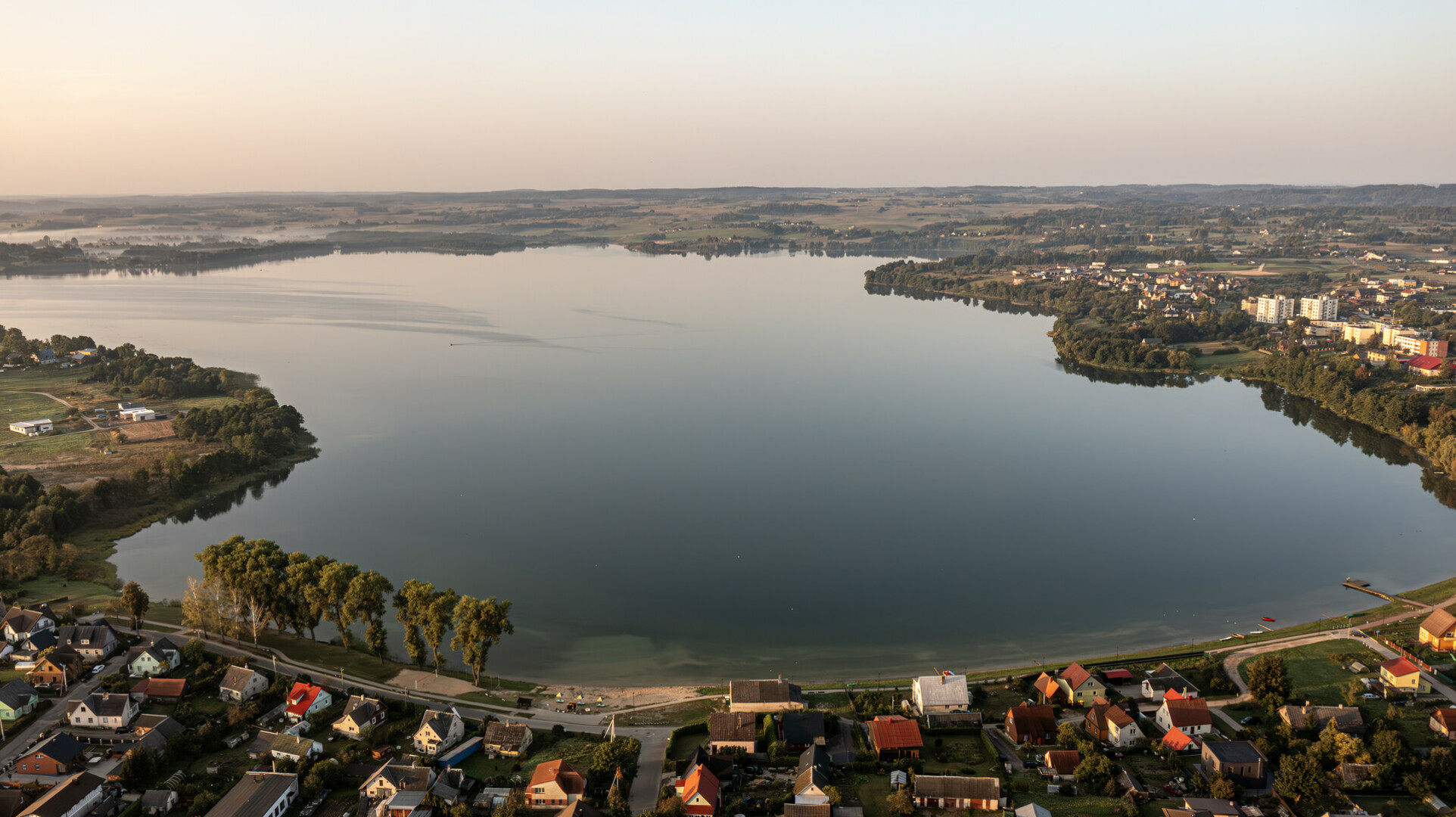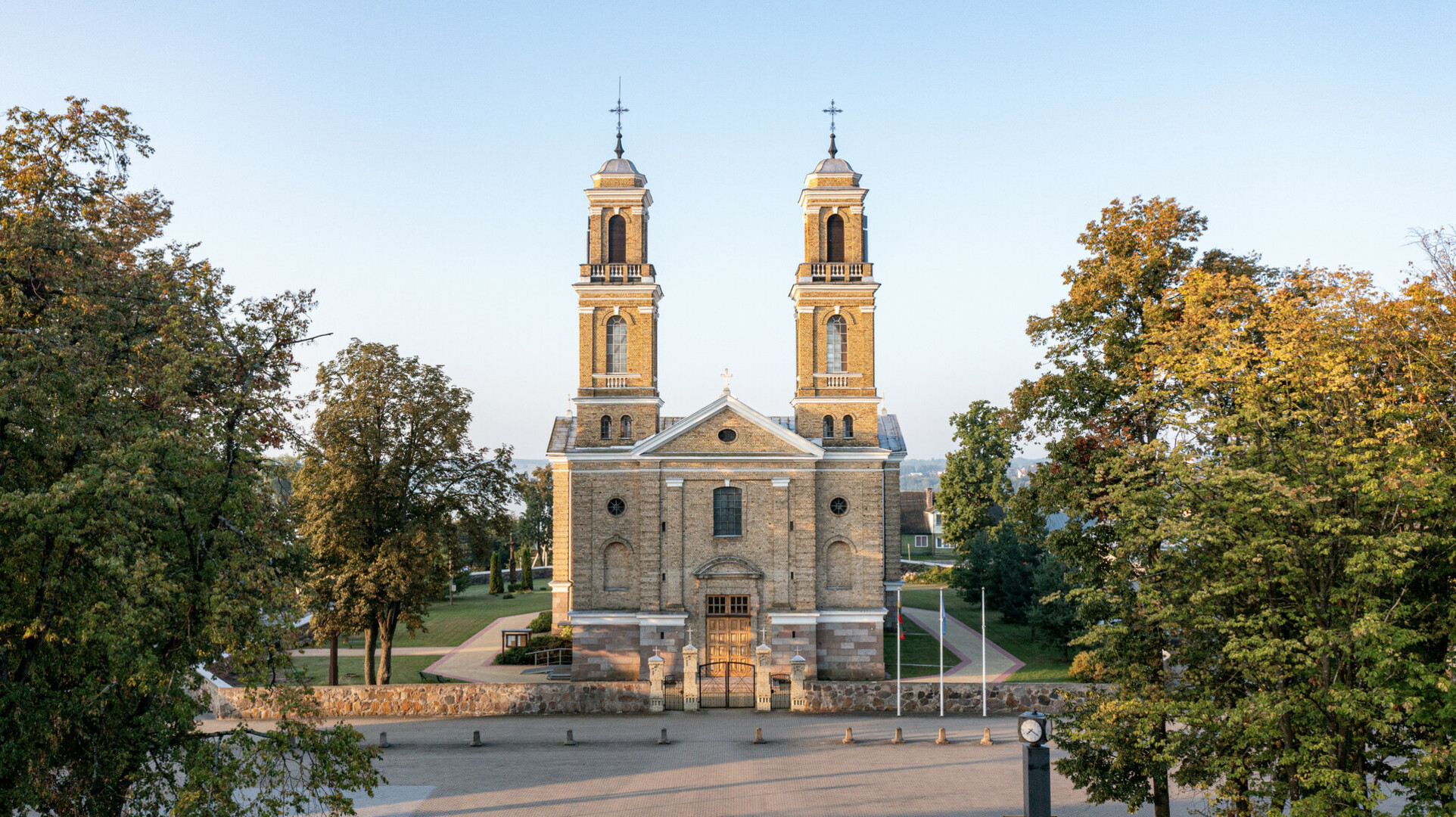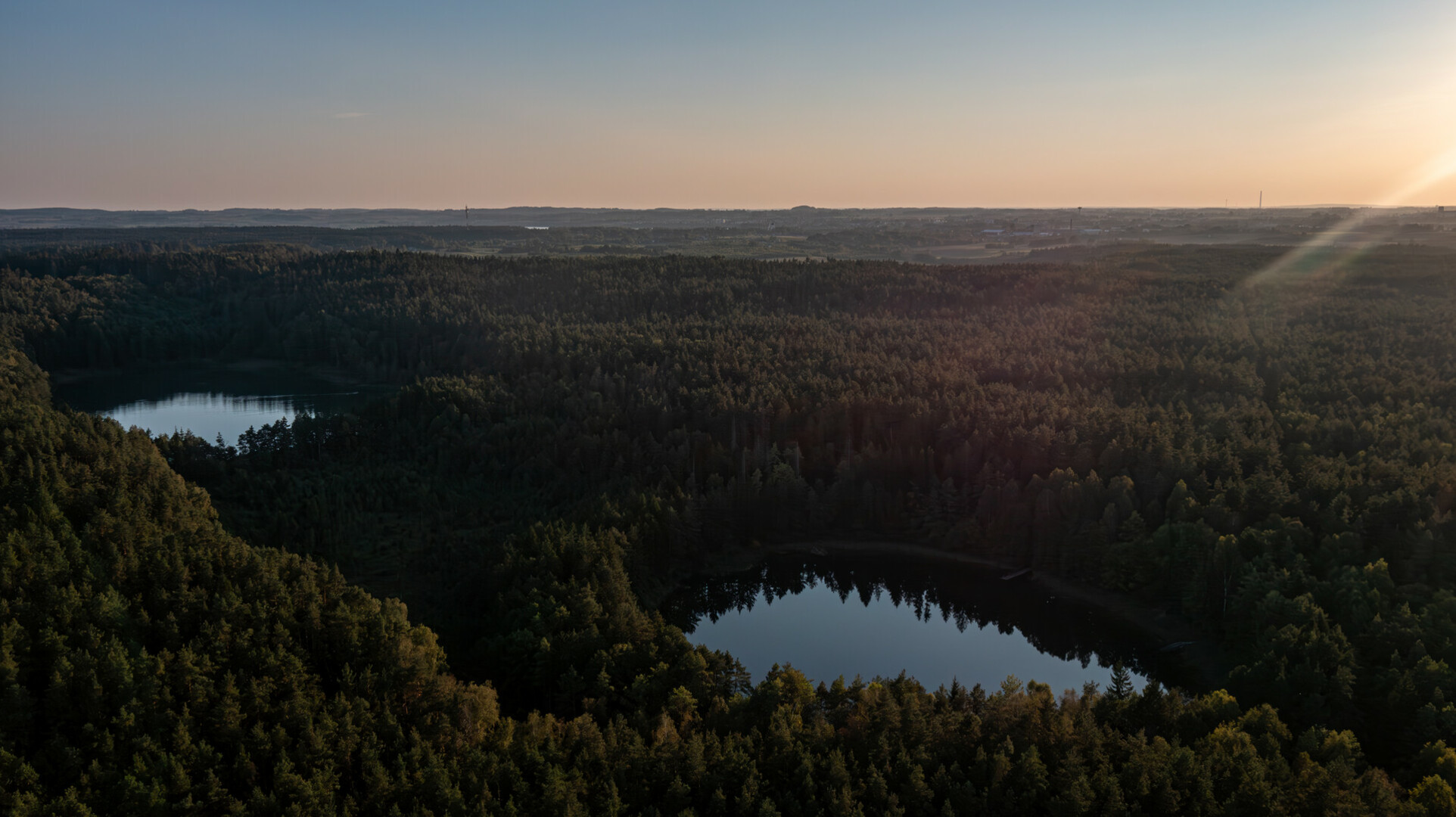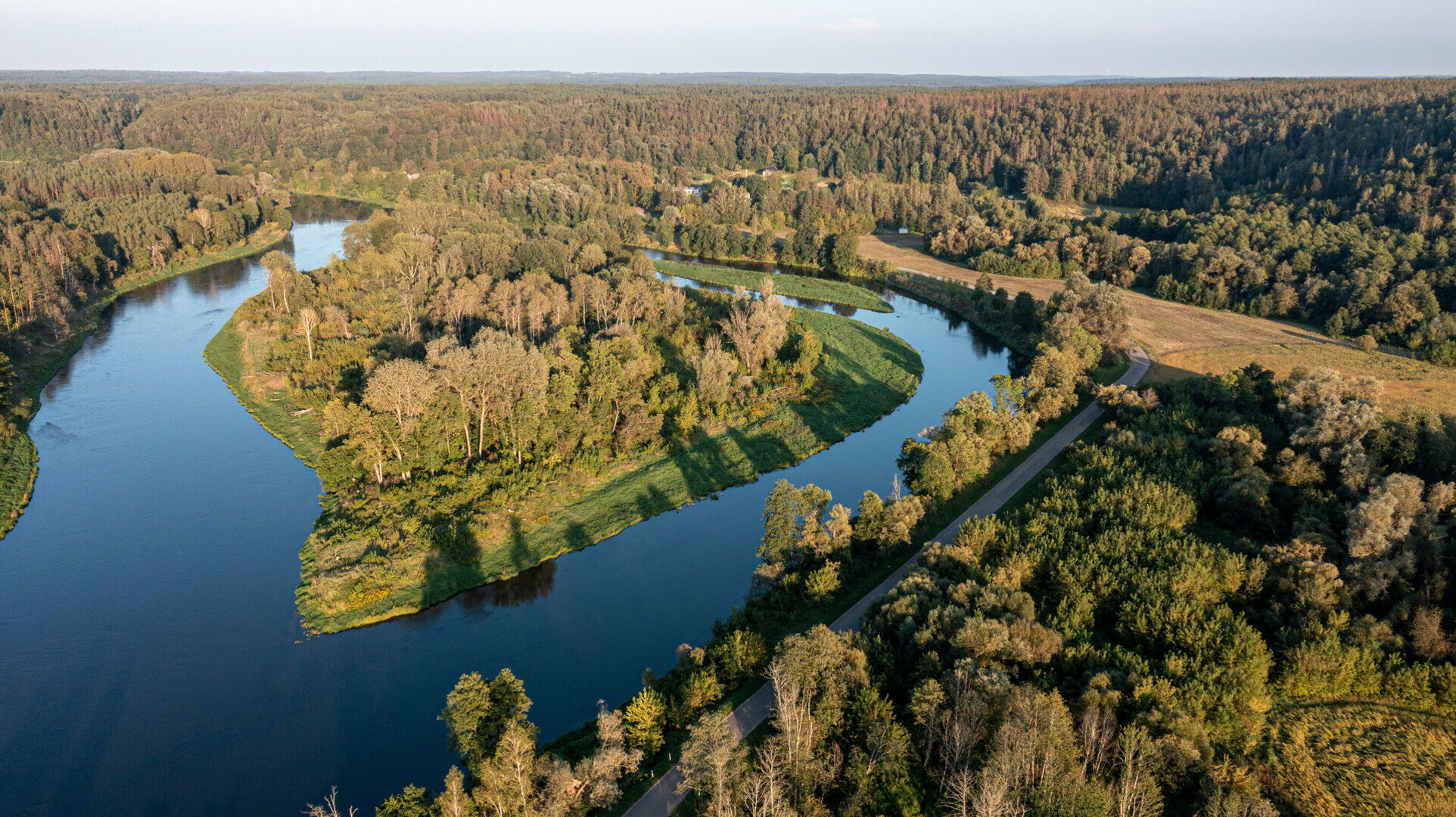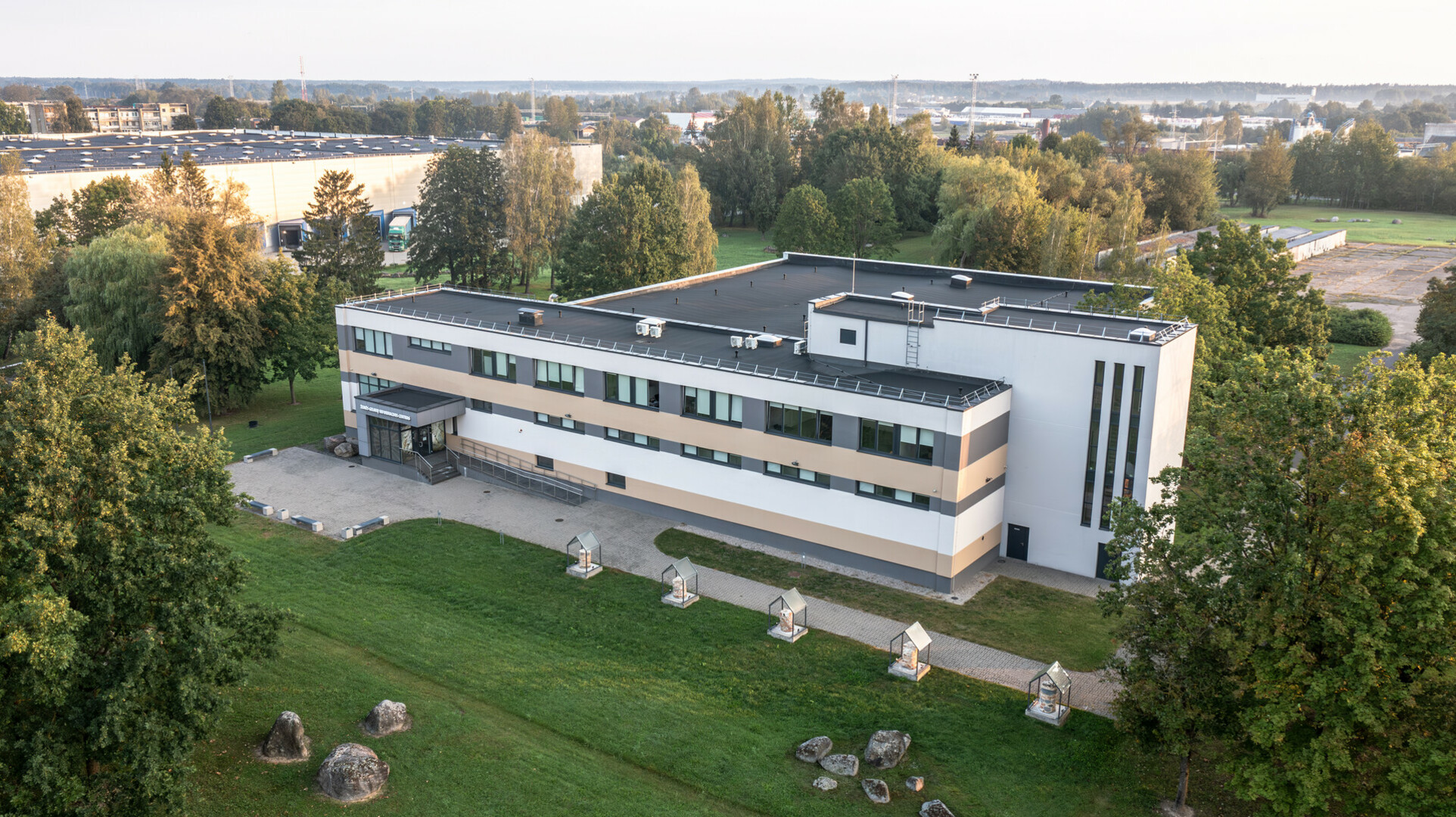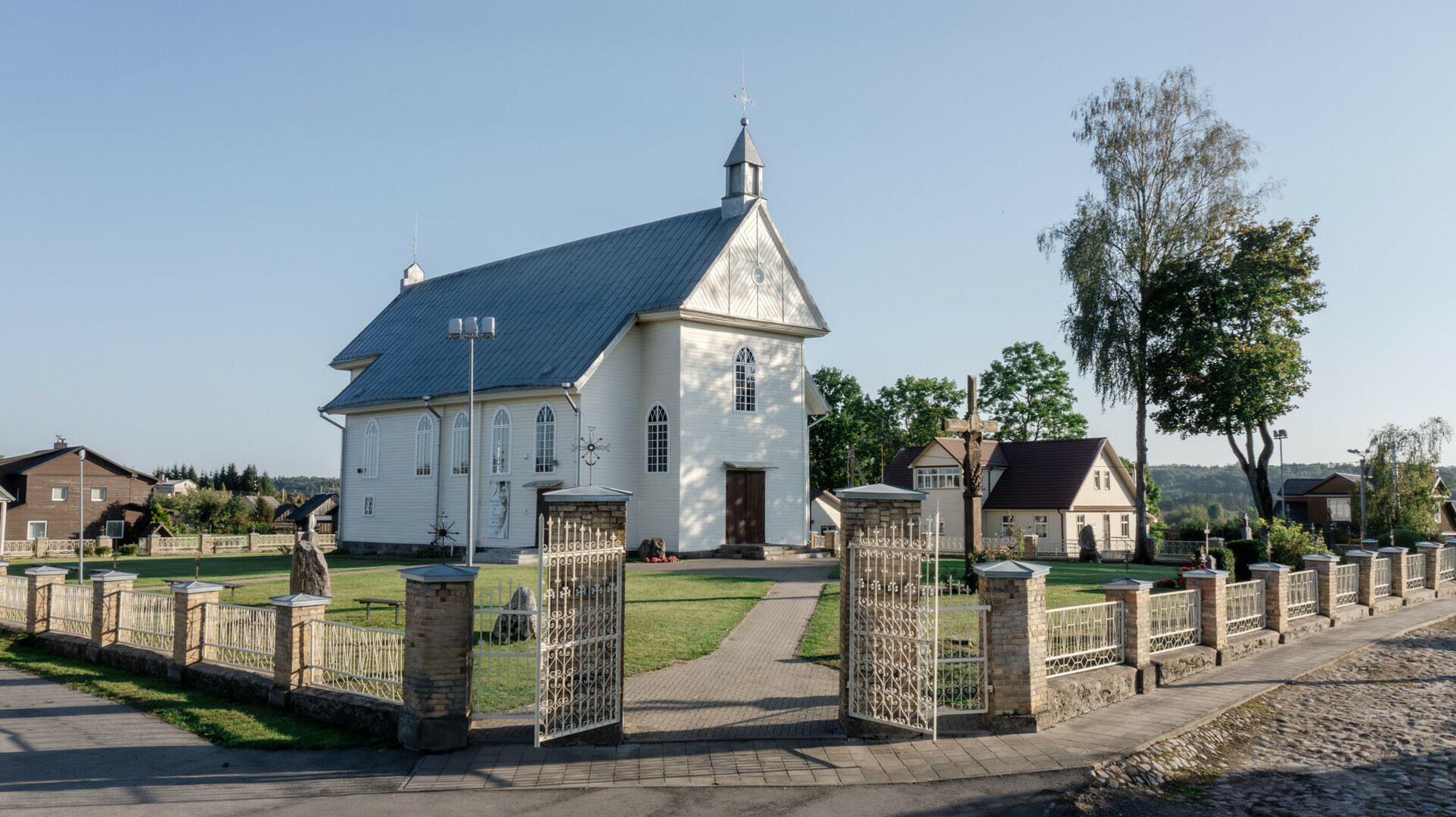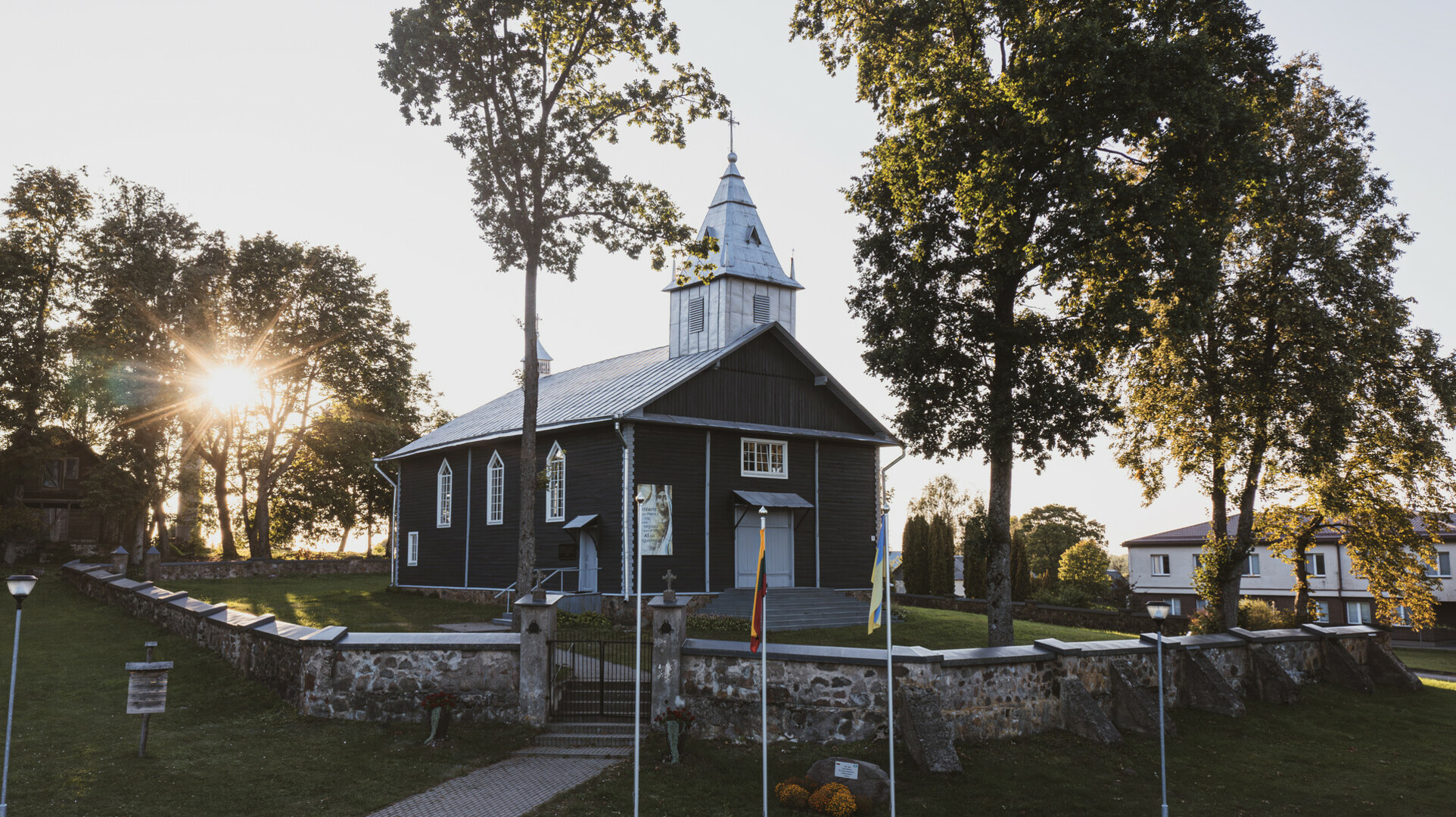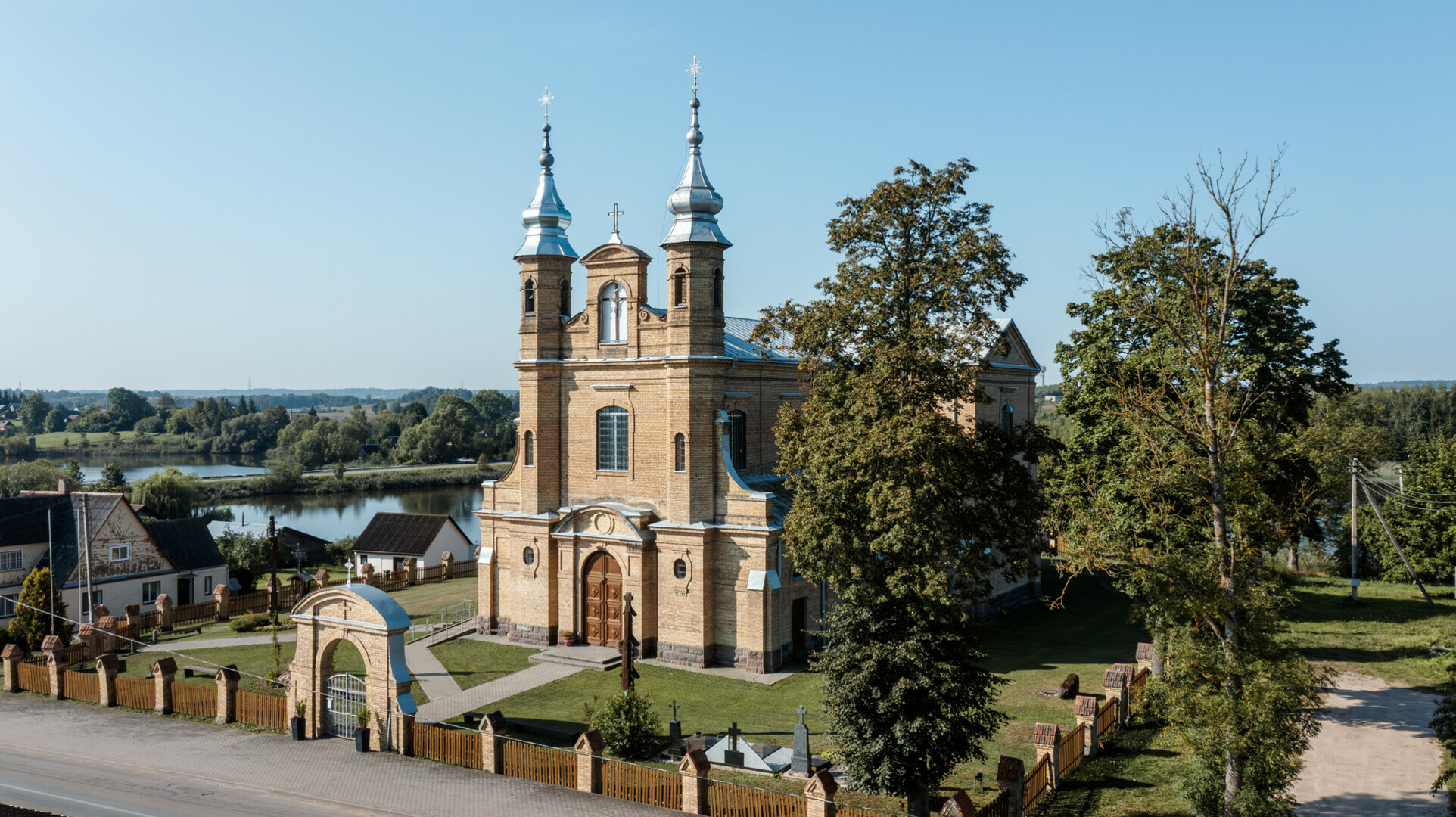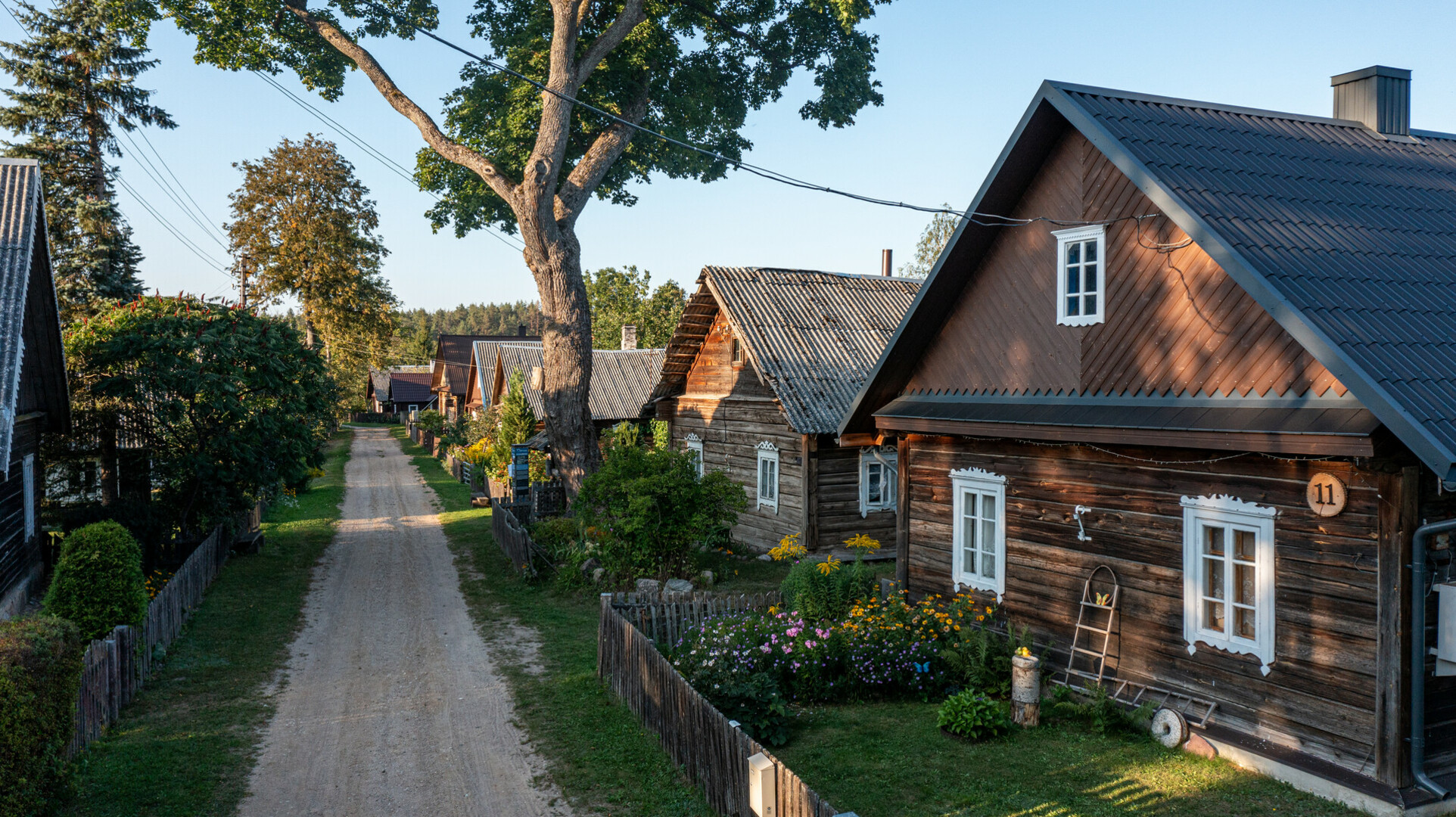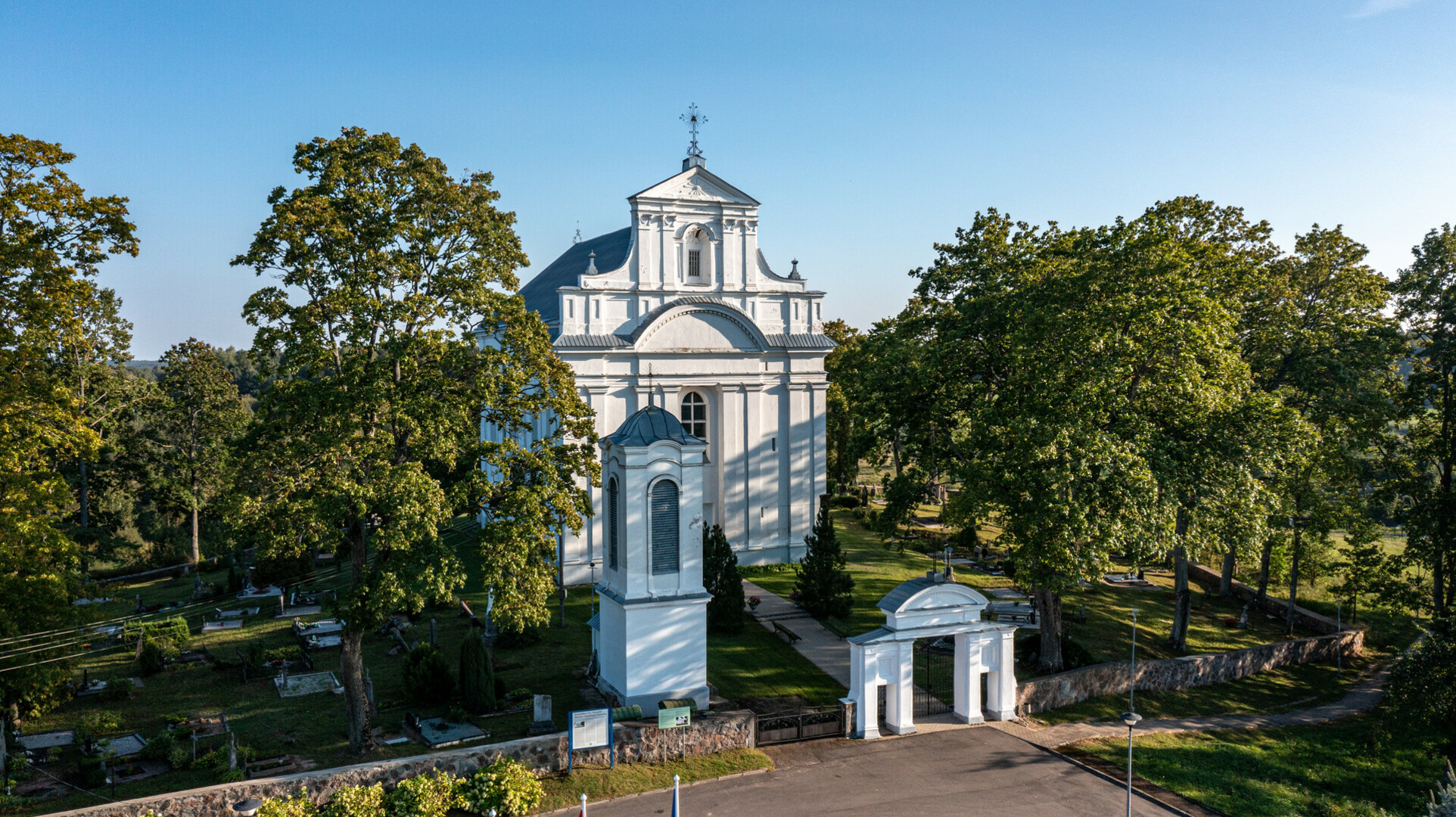
Elektrėnai Tourism Information Center is a place where you will find all the necessary information about the attractions of the Elektrėnai region, tourism routes, active leisure opportunities, entertainment and cultural events. Here you will find out what is worth visiting, where to spend your free time, eat or stay. The center's staff will help you plan your trip, suggest interesting places to visit and sightseeing routes. You can also purchase souvenirs representing the Elektrėnai region here, as well as receive information publications and tourist maps. We invite you to stop by and discover the Elektrėnai region!
Elektrėnai – the history of the city
Elektrėnai is one of the youngest cities in Lithuania, located halfway between Vilnius and Kaunas, next to the picturesque Elektrėnai Lagoon. The history of the city is closely connected with the development of energy, and its surroundings date back to much earlier times.
The most important historical events
- The first inhabitants were in the Stone Age. People settled on the shores of Old Anykšta, Puikinas, Jagudis and several smaller lakes as early as the Stone Age.
- 1348 – Battle of Strėva. On February 2, one of the most significant clashes between the Grand Duchy of Lithuania and the Teutonic Order took place on the Strėva River, near present-day Elektrėnai. Many Lithuanian soldiers died in the battle, including Narimantas, the son of the Grand Duke of Lithuania Gediminas.
- 1960 – The beginning of the development of the city of Elektrėnai. After the construction of the Lithuanian Power Plant began, an energy workers' settlement began to develop next to it. The rapidly growing settlement eventually became the modern city of Elektrėnai.
- 1961 – The first school. In February, the first elementary school in Elektrėnai began operating, located in a residential building on what is now Draugystės Street.
- 1961 – The formation of the Elektrėnai Lagoon. The Strėva River was dammed during the construction of the Lithuanian Power Plant. On September 12, the water that began to rise flooded the Anykšta, Jagudis and Puikinas lakes, which merged into a large pond, now called the Elektrėnai Lagoon. As the lagoon formed, some of the surrounding villages were also submerged.
- 1962 – The settlement of Elektrėnai was legalized. In April, the settlement was given the name Elektrėnai and the status of an urban-type settlement.
- 1962 – Elektrėnai Culture House. The Elektrėnai Culture House was built, becoming an important place for the city's cultural and social life.
- 1963 – Sports Club “Energija”. Sports Club “Energija” was founded in Elektrėnai, contributing to the development of the city’s sports traditions. Over time, ice hockey, figure skating, sailing, judo, handball, checkers, chess, kayaking and canoeing, and other sports became popular in Elektrėnai.
- 1965 – Elektrėnai Hospital. Elektrėnai Hospital was built, becoming an important healthcare institution for the city and surrounding settlements.
- 1968 – The first jazz festival "Youth". The first jazz festival in Lithuania "Youth 68" was held in Elektrėnai, becoming a significant event in the country's musical life.
- 1976 – Elektrėnai Ice Palace. The first artificial ice rink in Lithuania began operating in Elektrėnai. The Ice Palace became one of the city's most important sports facilities and the center of ice hockey traditions.
- 1999 – The coat of arms of Elektrėnai was approved. On November 10, the official coat of arms of Elektrėnai was approved by a decree of the President of the Republic of Lithuania.
- 2000 – Elektrėnai Municipality was established . Elektrėnai was granted city rights, and the city became the administrative center of the newly established Elektrėnai Municipality.
- 2004–2007 – Expansion of the Elektrėnai Municipality Public Library. In 2004, construction work on a new library building began and was completed on June 30, 2007. On September 11 of the same year, the library was ceremonially opened in its new premises.
Coat of arms of the city of Elektrėnai
- The coat of arms of Elektrėnai depicts a stylized lightning bolt and two eight-pointed stars.
- The lightning symbolizes the power of energy and the city's connection to electricity production. One star reminds us of the villages that once stood on the site of the city, while the other symbolizes the current Elektrėnai.
- The coat of arms was created by artist Rolandas Rimkūnas. It was officially approved on November 10, 1999.
Elektrėnai Municipality
Elektrėnai Municipality was established in 2000 and is located at the junction of Vilnius and Kaunas counties. The administrative center of the municipality is the city of Elektrėnai.
- Mayor of the municipality: Gediminas Ratkevičius.
- Population: 24,670 (according to 2025 official statistics portal data).
- Municipality area: 50,900 ha (509 km²).
- Administrative center: Elektrėnai.
- Number of neighborhoods: 8.
- Elektrėnai Municipality consists of eight wards: Elektrėnai, Vievis, Semeliškės, Kietaviškės, Kazokiškės, Gilučiai, Pastrėvis and Beižionys.
Traditional events
- Since 1968 – Elektrėnai Jazz Festival “Youth”. In 1968, the first jazz festival in Lithuania “Youth 68” was held in Elektrėnai.
- "Elektrėnai Žiburis" (formerly the "Person of the Year" elections) is a traditional annual event during which people deserving of the Elektrėnai municipality are honored and awarded for their significant work, initiatives and contribution to the life of the local community.
- Since 1971 – “Running around Elektrėnai Lagoon”. A traditional sports event that brings together running enthusiasts of all ages.
- Since 2015 – “Elektrėnai Rally” . A car rally competition taking place in the picturesque surroundings of Elektrėnai municipality and bringing together motor sport participants and enthusiasts.
Famous personalities of the Elektrėnai region
-
Pranas Noreika is an engineer, long-time director of the Lithuanian Power Plant, who significantly contributed to the creation and development of the city of Elektrėnai. In 2000, he was awarded the title of the first honorary citizen of Elektrėnai.
-
Stasys Žlibinas is a poet and songwriter. He was awarded the title of Honorary Citizen of Elektrėnai Municipality for his work in promoting the city of Elektrėnai.
-
Monsignor Jonas Sabaliauskas is a clergyman, an honorary citizen of Elektrėnai Municipality, recognized for mobilizing the community for active activities.
-
Dainius Pulauskas – pianist, composer, one of the most famous creators of Lithuanian jazz music, born in Vievis. Founder of the Dainius Pulauskas group, laureate of the Culture and Arts Prize of the Government of the Republic of Lithuania. In 2024, he was awarded the title of Honorary Citizen of Elektrėnai Municipality.
-
Gintaras Rinkevičius is a conductor born in Vievis, laureate of the Lithuanian National Culture and Arts Prize, founder, artistic director and chief conductor of the Lithuanian State Symphony Orchestra.
-
Jaroslav Cechanovičius is a composer, conductor, trombonist and pedagogue born in Vievis. He is the artistic director and chief conductor of the Šiauliai City Big Band, having composed more than 200 musical works and arranged more than 1,000 works for various orchestras.
-
Tadas Šumskas is a choir conductor, composer and pedagogue, professor. He has been awarded the medal of the Order "For Merits to Lithuania" and other awards.
-
Donatas Vėželis is a professional Lithuanian dancesport dancer, winner of the gold medal at the European Show Ballroom Dance Championship in Vienna.
-
Darius Kasparaitis is one of the most titled Lithuanian ice hockey players, a long-time NHL player, and an Olympic Games medalist. In 2020, he was awarded the title of Honorary Citizen of Elektrėnai Municipality.
-
Dainius Zubrus is a Lithuanian ice hockey player, a long-time NHL player who represented the Lithuanian national ice hockey team. In 2020, he was awarded the title of Honorary Citizen of Elektrėnai Municipality.
-
Martynas Gudelis – a writer and journalist born in Gilučiai, who published the novel "Skynimai dega" (Plucking is Burning) in 1935 under the pseudonym P. Šalna.
-
Juozas Kralikauskas is a writer, prose writer and essayist born in the village of Kareivoniai, known as the author of historical novels. He spent a large part of his life in exile, in Canada, and in 1994. returned to Lithuania.
-
Juozas Kundrotas is a writer originally from the Gilučiai region, the author of various literary works.
-
Sofija Pšibiliauskienė (Lazdynų Pelėda) is a Lithuanian writer who lived in Vievis from 1907 to 1910. She created several significant literary works there, including the novel "Mistake" (1909).
-
Rimvydas Stankevičius is a poet, prose writer, and essayist born in Elektrėnai. In 2022, he was awarded the Lithuanian National Culture and Arts Prize for the gene of classicism in contemporary poetry.